Tinkr: a 3D-printing platform, from upload to payout
Tinkr is my startup: a platform that turns 3D files and drawings into prints made by local providers. Over six and a half months I led the product and architecture. AI coding agents, working under my direction, built an API, four web apps, a cloud slicing service, and the payments and payouts that connect them.
Tinkr has not launched publicly and has no customers yet. Screenshots come from the real application running locally. AI agents wrote most of the code. My part was the product, the architecture decisions, the engineering rules, the cloud and payment configuration, and approving every merge after agent review and automated tests.
The problem
Plenty of small businesses and hobbyists own capable 3D printers. Buying a print from them is still manual: email a file, wait for a quote, pay by bank transfer and hope it ships. Customers without a 3D model, like a parent with a child's drawing, can't take part at all.
Tinkr is designed to automate the chain. It takes a file or a drawing, prices the print, finds a provider in the customer's country, takes payment, tracks fulfilment and queues the provider's payout.
What I built
One platform with four front ends, an API and background workers.
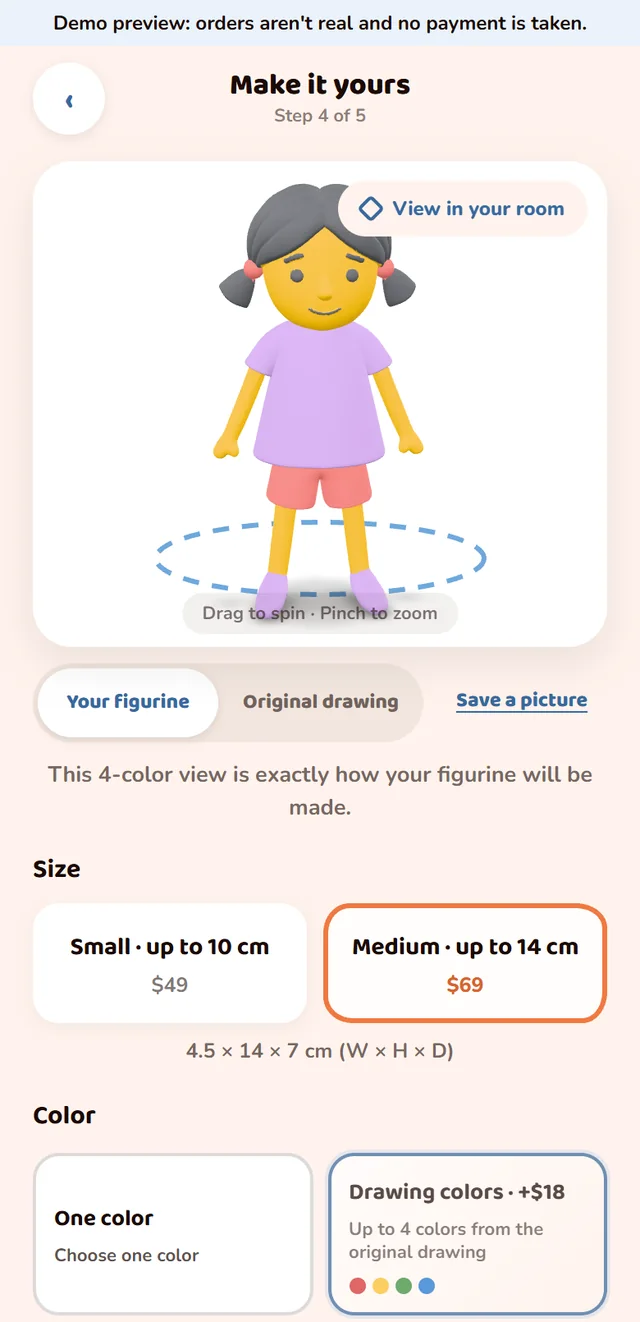
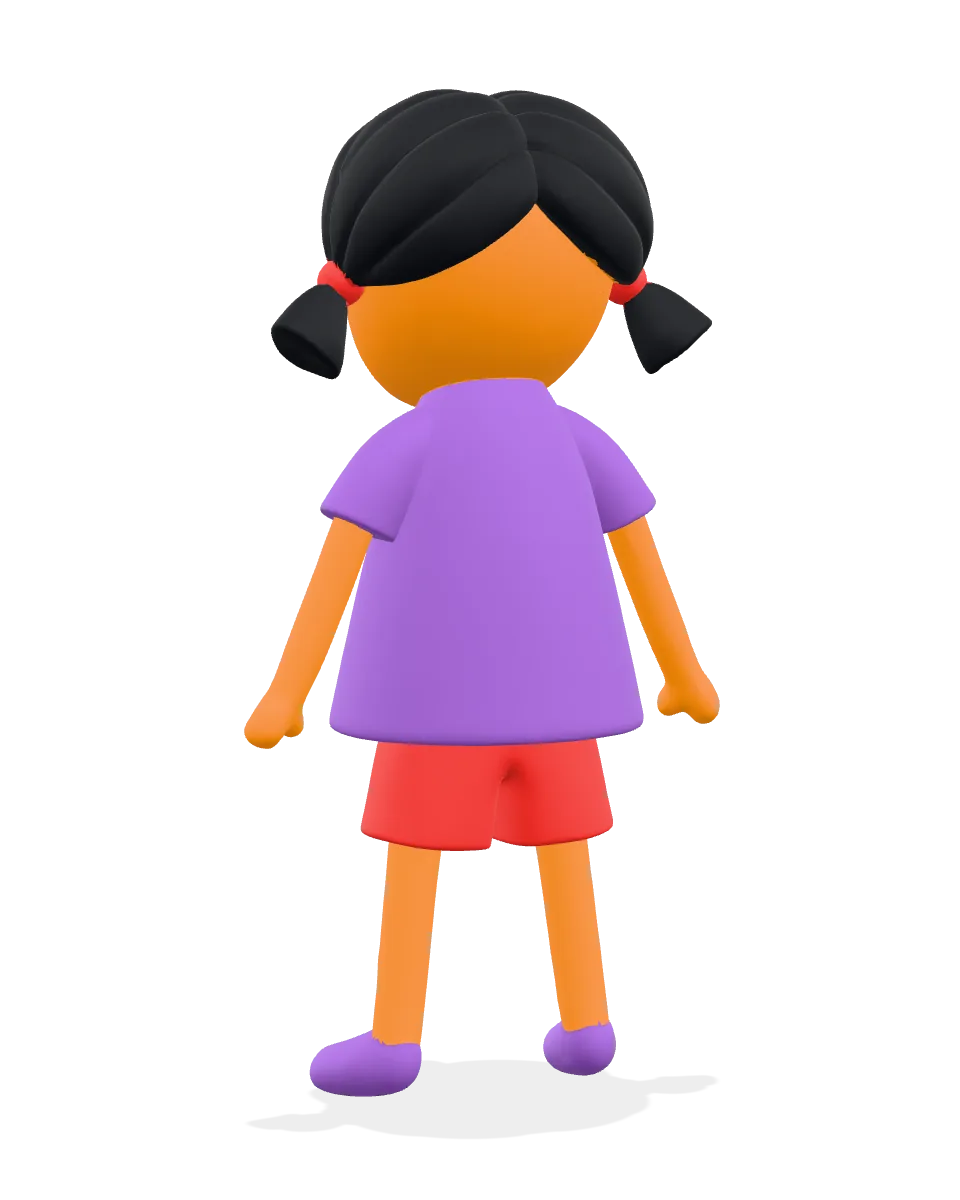
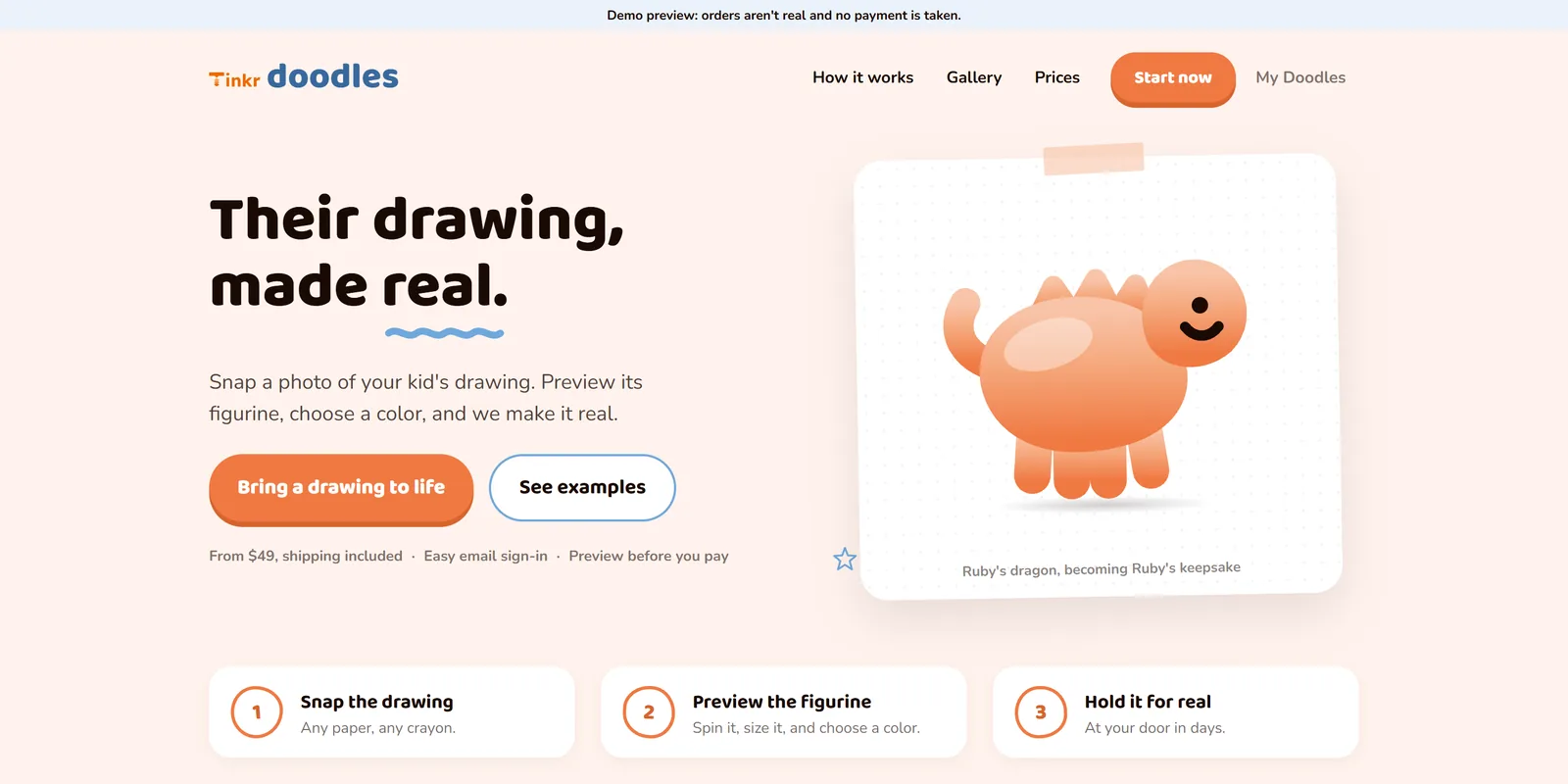
- Tinkr DoodlesPhoto of a child's drawing → AI-generated figurine → printed and shipped.
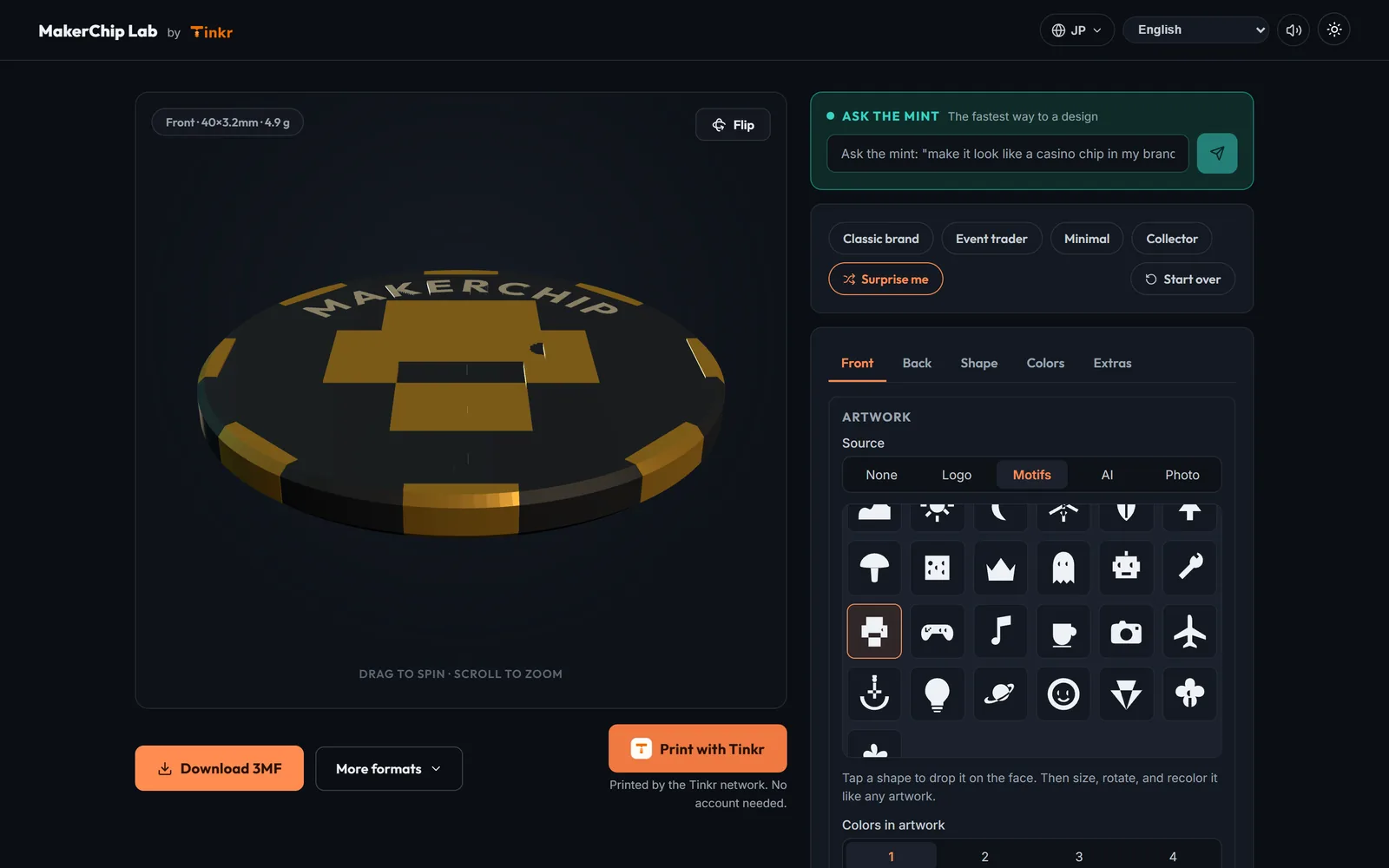
- MakerChipDesign a printable token in the browser; download files or order a print.
- CheckoutHosted review-and-pay page handing off to Stripe Checkout.
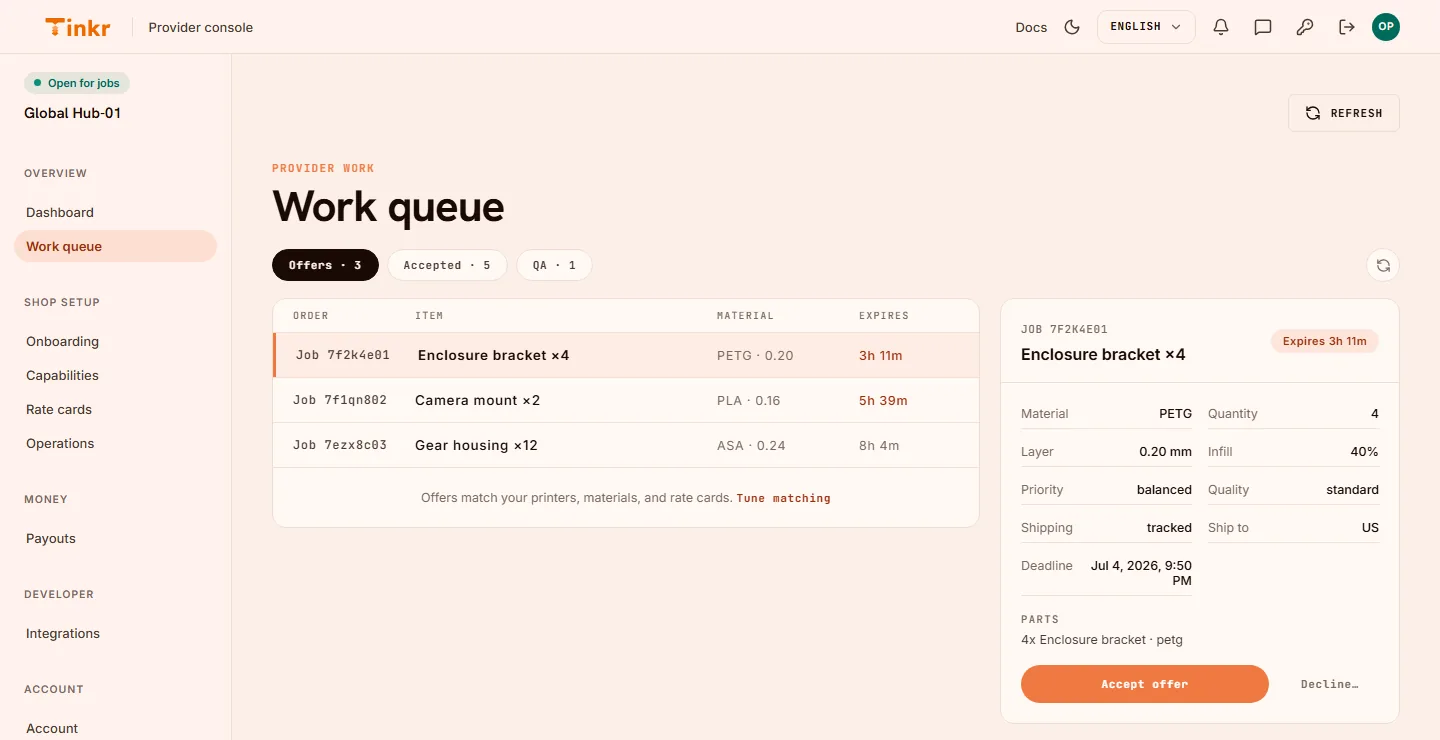
- ConsoleTools for print providers, partners and operations, plus a docs portal.
- API + workersThe domain logic, background jobs and cloud slicing behind every app.
Engineering highlights
Built on TypeScript, React, Cloudflare Workers, Postgres, Stripe and Google Cloud Run. The hard parts were rarely the screens; they were the edge cases behind them.
-
Payments as merchant of record
Stripe Checkout designed so no order is charged twice or left unpaid, even when payment notifications arrive late or not at all.
-
Provider payouts
Settlements and batch payouts with human approval, built so a retry can never pay a provider twice. Built; Wise adopted on a trial basis, no live payouts yet.
-
A transactional core
Every change to an order happens in a single database transaction, so customers, providers and background jobs can't corrupt each other's updates.
-
From upload to quote
Uploaded models are sliced in the cloud and priced automatically from real print time and material, then offered to local providers.
-
AI with guardrails
AI screening and 3D generation that fail safe when a model misbehaves and stay inside a daily budget.
-
CAD in the browser
A design tool that builds printable 3D geometry in the browser, with an AI assistant that can't produce an invalid design.
Built as a platform
Every Tinkr app runs on the same API, which is designed for partners who want to send print jobs into the provider network from their own products.
App registry
Every app, first-party or partner, is registered with its own keys, allowed origins and checkout return address, and can be paused on its own.
Partner API
Sandbox and live keys, quotes and orders, a hosted checkout handoff, audience-filtered OpenAPI docs and signed webhooks with retries.
Developer tools
A TypeScript SDK, a sandbox that steps orders through every stage, and an AI build brief partners paste into their own coding agent.
Pre-launch: the partner API is built and documented, with no external partners live yet.
How it was built
I ran development the way a tech lead runs a small team. One AI agent implemented and another reviewed, and neither could approve or merge its own work. By the end, every behaviour change needed a test that failed first, and CI gated every promotion to development and production.
It taught me where AI agents need the most supervision: payment edge cases, configuration that spans several cloud services, and claims that something works before it has been proven.
For hiring managers and prospective clients
Want the full technical case study?
The full version covers the architecture, payment and payout flows, AI guardrails, more screenshots and the engineering process in detail. It's shared privately: request access and I'll approve your email, usually within one working day. You then sign in with a one-time code.
Or talk about your project
mustafa.dualeh.dev